How to Build a Capsule Wardrobe on a Budget (Men & Women)
Fewer clothes, more outfits, less stress every morning. A step-by-step guide to building a capsule wardrobe that works for Indian weather, college, office and festivals — without spending a fortune.
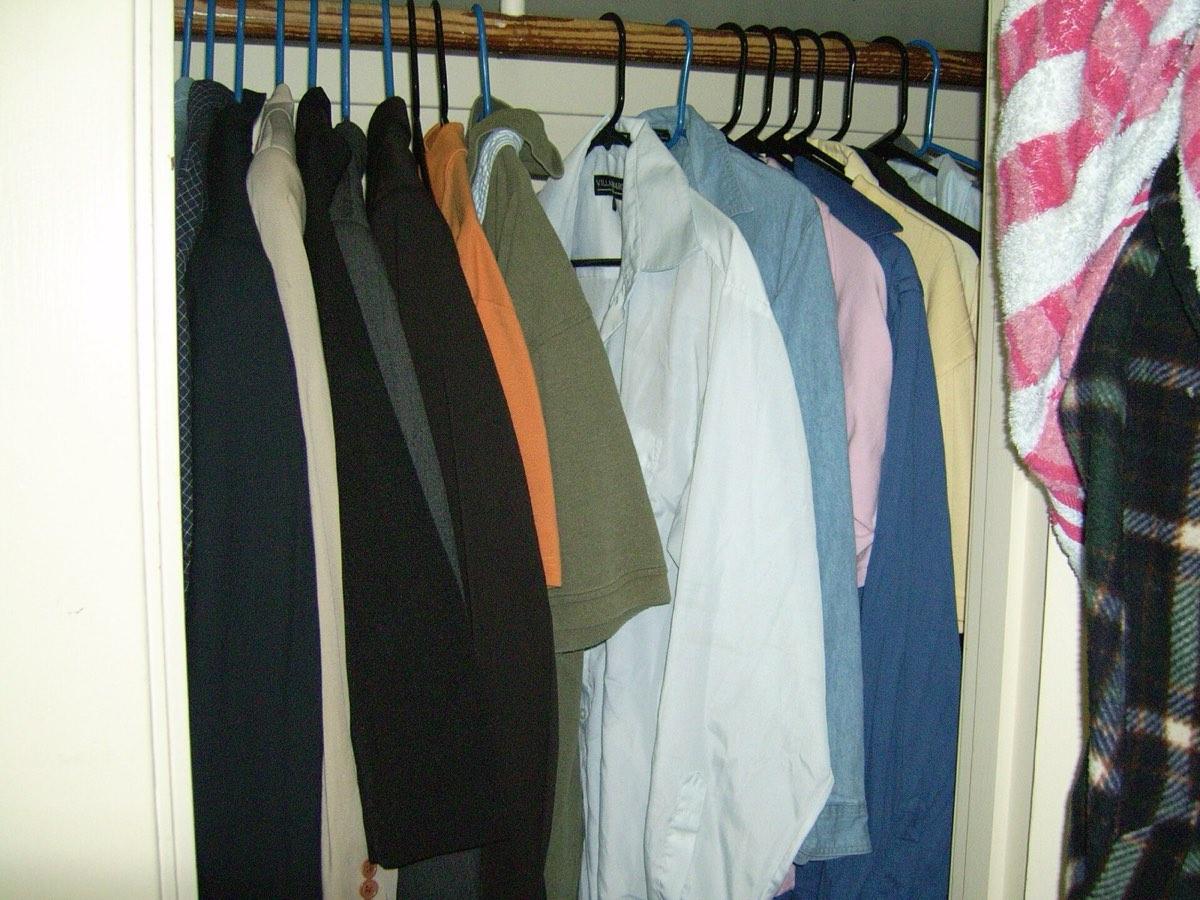
Quick answer: A capsule wardrobe is a small set of versatile clothes — about 25–40 pieces — that all mix and match. Start by clearing out what you don't wear, pick a palette of 3–4 neutrals plus 2–3 accent colours, buy basics first (tees, shirts, jeans, trousers, one jacket), then add a few statement pieces and Indian wear. Buy fewer, better-fitting pieces and shop for gaps, not impulses.
Ever stood in front of a full cupboard and thought, "I have nothing to wear"? You're not alone. Most of us wear about 20% of our clothes 80% of the time. The rest — impulse buys, sale items that never quite fit, things bought for one occasion — just take up space.
A capsule wardrobe fixes this. It's a small, carefully chosen collection of clothes that all work together. Every top goes with every bottom. Every piece fits, suits you and gets worn.
The result? More outfits from fewer clothes, faster mornings, less money wasted, and a wardrobe you actually love.
And contrary to what you might think, a capsule wardrobe isn't just for minimalists or people with big budgets. In fact, it's the most budget-friendly way to dress well. This guide walks you through building one, step by step, for both men and women — with Indian weather, college, office life and festivals in mind.
What is a capsule wardrobe?
The idea is simple: a limited number of versatile pieces that mix and match.
- Size: usually 25–40 pieces per season, not counting underwear, sleepwear, gym wear and special-occasion outfits.
- Colours: a tight palette, so nearly everything goes with everything.
- Quality over quantity: fewer pieces, but ones that fit well and last.
- Seasonal swaps: in India, you might have a summer capsule and a winter capsule, with lots of overlap.
You don't need to follow the numbers strictly. The point is intention: owning clothes you love and wear.
Why a capsule wardrobe saves money
- No more impulse buys that don't go with anything you own.
- Every new piece multiplies your outfits, because it works with everything else.
- Better quality basics last longer, so you replace less often.
- Less decision fatigue — getting dressed takes two minutes.
- Less clutter — easier to see and care for what you own.
Ten tops and five bottoms that all match give you 50 outfit combinations — before you even add layers.
Step 1: Clear out your current wardrobe
Before buying anything, see what you already have.
- Take everything out. Yes, everything.
- Make four piles:
- Keep: fits well, you love it, you've worn it in the last year.
- Maybe: you like it but rarely wear it.
- Alter: good piece, but needs tailoring.
- Donate/sell: doesn't fit, worn out, or you never wear it.
- Try on the "maybes." Be honest. If you wouldn't buy it today, let it go.
- Notice patterns. Which colours and fits do you always reach for? That's your style.
You'll probably discover you already own half of a capsule wardrobe.

Step 2: Understand your lifestyle
Your capsule should match your real life, not an imaginary one. Roughly estimate how you spend your week:
- College or office — how formal?
- Casual time — weekends, shopping, friends.
- Festivals, weddings and family events — how often?
- Gym or sports.
- Weather — in Punjab, you need both a summer and a winter plan.
If you spend 5 days a week in an office, most of your capsule should be work-ready. If you're a college student, focus on casual pieces that layer.
Step 3: Choose your colour palette
This is the secret to making everything match.
- 3–4 base neutrals: these are your bottoms, jackets and basics. For example: navy, black, white, grey, beige, olive or denim blue.
- 2–3 accent colours: these add personality — maroon, mustard, teal, rust, dusty pink, sage.
- Optional pattern: stripes, checks or a print in your palette colours.
Sample palettes
| Palette | Neutrals | Accents | Feels |
|---|---|---|---|
| Classic | Navy, white, grey, denim | Maroon, light blue | Smart, timeless |
| Earthy | Olive, beige, cream, brown | Rust, mustard | Warm, relaxed |
| Monochrome | Black, white, grey | Red or cobalt | Modern, bold |
| Soft | Cream, beige, light denim | Dusty pink, sage | Gentle, fresh |
Check our colour matching guide if you're not sure which colours suit you best.
Step 4: Build the foundation — basics first
Basics are the backbone of a capsule wardrobe. Invest here first.
Men's capsule checklist (around 30 pieces)
Tops (12–14)
- 4 plain t-shirts (white, black, grey, navy)
- 2 oversized or graphic tees
- 2 polo shirts
- 3 shirts (white, light blue, one check or print)
- 1–2 full-sleeve tees or henleys
Bottoms (5–6)
- 2 jeans (dark indigo and black) — see our jeans fit guide
- 1 chinos (beige or olive)
- 1 trousers (navy or grey) for formal occasions
- 1 track pants or joggers
- 1 shorts
Layers (4–5)
- 1 denim jacket or bomber
- 1 hoodie or sweatshirt
- 1 sweater
- 1 winter jacket (puffer or quilted)
- 1 blazer (optional, but useful)
Indian wear (2–3)
- 1 solid kurta (white, cream or a neutral)
- 1 festive kurta (maroon, mustard or bottle green)
- 1 Nehru jacket
Shoes (3–4)
- White sneakers
- Casual shoes or loafers
- Formal shoes
- Sandals or slides
Women's capsule checklist (around 35 pieces)
Tops (12–14)
- 3 plain tees (white, black, one accent colour)
- 2 shirts (white and one colour or stripe)
- 2 casual tops or crop tops
- 1–2 oversized tees
- 4 kurtis (2 everyday, 1 office-friendly, 1 festive)
Bottoms (6–7)
- 2 jeans (one straight or wide-leg, one skinny or slim)
- 1 trousers or cigarette pants
- 1 palazzos
- 1 leggings or churidar (neutral)
- 1 skirt
- 1 joggers or co-ord bottom
Dresses and sets (3)
- 1 casual dress
- 1 co-ord set
- 1 dressier dress for evenings
Layers (4)
- 1 denim jacket
- 1 cardigan or shrug
- 1 hoodie or sweatshirt
- 1 winter coat or puffer
Indian wear extras (2–3)
- 1 dupatta in an accent colour
- 1 festive suit or lehenga-style set
- 1 shawl or stole
Shoes (4)
- White sneakers
- Flats or loafers
- Juttis or kolhapuris
- Block heels
Step 5: Add a few statement pieces
Once your basics are in place, add 3–5 pieces that make your capsule yours:
- A graphic tee or printed shirt you love.
- A bold jacket.
- A statement kurti or co-ord set.
- A great pair of sneakers.
- A bright dupatta or scarf.
Statement pieces work because your basics are neutral — they always have something to go with.
Step 6: Mix and match
Here's how a capsule multiplies your outfits:
One white tee, seven looks
- White tee + jeans + sneakers.
- White tee + chinos + loafers.
- White tee + denim jacket + black jeans.
- White tee + open shirt + shorts.
- White tee under a blazer + trousers.
- White tee + track pants + hoodie.
- (Women) White tee + skirt + sneakers, or front-tucked into wide-leg jeans.
One kurti, five looks
- Kurti + leggings + juttis.
- Kurti + jeans + sneakers.
- Kurti + palazzos + dupatta.
- Kurti + cigarette pants + loafers.
- Kurti + denim jacket + skirt (short kurti).
Budget shopping tips
- Shop for gaps, not impulses. Keep a list on your phone of exactly what's missing.
- Use the cost-per-wear test. A ₹1,500 pair of jeans worn 150 times costs ₹10 per wear. A ₹500 top worn twice costs ₹250 per wear.
- Fit is more important than brand. A well-fitting affordable piece always beats an expensive one that doesn't fit.
- Spend more on what you wear most: jeans, shoes, jackets.
- Save on trendy pieces: they're for one season anyway.
- Check fabric and stitching: even seams, secure buttons, fabric that doesn't feel thin.
- Buy basics in multiples when you find a fit you love.
- Use your discounts — follow stores you like on Instagram for offers.
Seasonal capsules for Punjab weather
Summer capsule (April–September)
Focus on breathable fabrics: cotton, linen and rayon. Light colours, short sleeves, kurtis, shorts, palazzos and sandals. Keep one light layer for air-conditioned rooms.
Winter capsule (November–February)
Swap in sweaters, hoodies, jackets, thermals, full-sleeve tees and closed shoes. Your jeans, shirts and many tees stay — just layer them.
Transition months (March, October)
Light layers: denim jackets, shirts worn open, cardigans and full-sleeve tees.
Maintaining your capsule
- One in, one out. When you buy something new, remove something old.
- Review every season. What didn't you wear? Why?
- Look after your clothes. Wash gently, dry in the shade, fold knits, repair small damage early.
- Alter rather than replace. A tailor can save a good piece with small fit issues.
A sample week from a capsule wardrobe
To show how far a small wardrobe goes, here's one week of outfits using only pieces from the checklists above.
Men
- Monday (office or college): light blue shirt + navy chinos + brown loafers.
- Tuesday: white tee + dark indigo jeans + white sneakers + denim jacket.
- Wednesday: polo + black jeans + casual shoes.
- Thursday: check shirt worn open over a grey tee + dark jeans + sneakers.
- Friday: white shirt + black jeans + loafers — smart enough for dinner after work or class.
- Saturday: oversized tee + track pants + sneakers for errands; swap to the hoodie in the evening.
- Sunday (family visit or gurdwara): white kurta + dark jeans + Nehru jacket.
Women
- Monday: office kurti + cigarette pants + flats.
- Tuesday: white shirt + straight jeans + loafers.
- Wednesday: co-ord set + white sneakers.
- Thursday: plain tee + skirt + denim jacket.
- Friday: casual dress + block heels for an evening out.
- Saturday: oversized tee + wide-leg jeans + sneakers.
- Sunday: everyday kurti + palazzos + bright dupatta + juttis.
Not a single repeat — and every one of those pieces will be worn again next week in a new combination.
How to know a piece deserves a place in your capsule
Before buying anything new, run it through these five questions:
- Does it fit me well right now? Not "after I lose weight", not "after alterations I'll never get done".
- Does it go with at least three things I already own? If not, it will sit unworn.
- Is it in my colour palette? Accent colours are fine; colours that clash with everything aren't.
- Will I wear it at least 30 times? This is the famous "30 wears" test — it filters out impulse buys instantly.
- Is it comfortable enough for my real life? If it pinches, scratches or needs constant adjusting, you'll avoid it.
If the answer to all five is yes, buy it with confidence. If not, walk away — your wallet and your wardrobe will thank you.
Capsule wardrobe mistakes to avoid
- Going too minimal too fast. Cutting your wardrobe in half overnight can backfire. Remove pieces gradually as you learn what you really wear.
- Choosing only black, white and grey because "minimal" sounds like that. A capsule should feel like you. Include accent colours you love.
- Forgetting special occasions. Keep a small, separate set of festive and wedding outfits — they don't need to count towards your capsule.
- Buying everything at once. Build over a few months and you'll make better choices.
- Ignoring comfort. The best capsule pieces are the ones you reach for automatically.
Frequently asked questions
How many clothes should be in a capsule wardrobe?
Around 25–40 pieces per season is typical, not counting underwear, sleepwear, gym wear and special-occasion outfits. The exact number matters less than every piece being versatile and worn.
What are the essential items in a men's capsule wardrobe?
Plain tees, a couple of shirts, dark jeans and black jeans, chinos, a hoodie, a sweater, a jacket, a kurta and a Nehru jacket, white sneakers and one pair of formal shoes.
What are the essential items in a women's capsule wardrobe?
Plain tees, a white shirt, a few versatile kurtis, two pairs of jeans, trousers, palazzos, leggings, a dress, a co-ord set, a denim jacket, a cardigan, a dupatta and comfortable sneakers and flats.
Can a capsule wardrobe include Indian wear?
Absolutely. Kurtis, kurtas, Nehru jackets and dupattas fit perfectly into a capsule wardrobe, especially if you choose them in your palette colours so they mix with western pieces.
How much does it cost to build a capsule wardrobe?
It depends on what you already own and where you shop. Most people already have half a capsule after clearing out. Buy the missing basics first, and add pieces gradually over a few months.
Can Trendz Fit Fashion help me build a capsule wardrobe?
Yes — tell us on WhatsApp what you already have and what's missing, and we'll suggest basics in your size from our current stock. Or visit our Balongi store and we'll help you pick pieces that work together.
Final thoughts
A capsule wardrobe isn't about owning less for the sake of it. It's about owning better — clothes that fit, suit you, work together and get worn. Start with what you have, fill the gaps with good basics, and add a few pieces that make you smile.
Visit us at Dashmesh Market, Balongi, with your list, and build your capsule one piece at a time.